Keyless entry has made driving easier than ever. No fumbling for keys, no buttons to press. Just walk up, get in and go. But that convenience has also created a new and growing risk for UK drivers: relay theft.
Relay theft allows criminals to unlock and steal cars without forcing entry or damaging the vehicle, often in a matter of seconds. In many cases, owners don’t realise anything is wrong until they step outside and their car is simply… gone.
In this guide, we’ll explain what keyless car theft actually looks like, why it’s becoming more common across the UK and, most importantly, what practical steps you can take to protect your vehicle and your peace of mind. We’ll also share advice backed by police and insurance guidance, so you can make informed decisions rather than relying on scare stories.
Whether you drive a brand-new model or an older keyless-entry vehicle, understanding the risks and how to reduce them is now part of responsible car ownership.

What is keyless car theft (relay theft)?
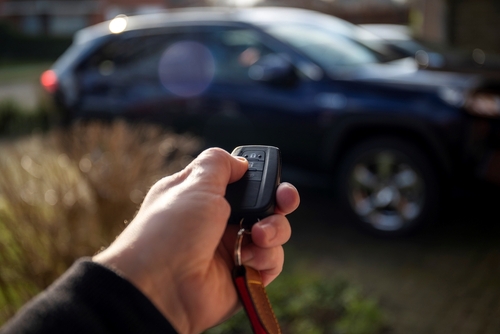
Keyless car theft, often referred to as relay theft, is a method criminals use to steal vehicles equipped with keyless entry systems, without needing to physically break in or steal the keys themselves.
In simple terms, thieves use electronic devices to capture and extend the signal from your key fob. One device is held close to your home to detect the signal from the key (even if it’s inside, on a table or in a drawer), while another relays that signal to the car. The vehicle is tricked into thinking the key is nearby, allowing it to unlock and, in many cases, start as normal.
Because there’s no forced entry, no broken glass and no visible damage, relay theft can happen quickly and quietly, often in under a minute.
Keyless entry systems are designed for convenience, not criminal misuse, but that convenience is exactly what makes them vulnerable. If the car can detect a key nearby, it will respond accordingly and relay devices exploit that trust in the system.
The result is a theft that can happen right outside your home, while the key remains safely and unsuspectingly inside.
How thieves target keyless cars
Relay theft usually involves two people working together, using signal-boosting devices that are small, portable and easy to conceal.
One thief positions themselves close to your home, where your key fob is stored, often near the front door or in a hallway. Their device searches for and captures the signal being emitted by the key. The second thief stands near the vehicle and uses another device to receive that signal and relay it to the car.
Once the signal reaches the vehicle, the car believes the genuine key is present. The doors unlock, and the engine can often be started in the same way it would be by the owner.
As previously mentioned, the physical key never leaves your home. Thieves don’t need to clone it or break into the house.they only need access to the signal. This is why relay theft can happen in a matter of minutes, with no obvious signs of interference or damage left behind.
Because everything appears “normal” to the vehicle, owners are often unaware anything has happened until much later.


Top ways to protect your car from keyless entry theft
There’s no single solution that guarantees total protection, but combining a few sensible measures can dramatically reduce the risk of relay theft. Here are the most effective steps UK drivers can take.
Use a signal-blocking pouch (Faraday bag)
One of the simplest and most effective defences is a Faraday pouch. These signal-blocking bags prevent your key fob from emitting a wireless signal that thieves can capture.
Keep your key fob inside the pouch whenever you’re at home, especially overnight.
A quick way to test it: place the key inside the pouch and walk up to your car. If the vehicle doesn’t unlock or respond, the pouch is doing its job.
Keep keys well away from doors and windows
Avoid leaving car keys near front doors, windows or letterboxes, where signals are easier to detect from outside.
Instead, store them deeper inside your home and away from external walls. While this isn’t a foolproof solution on its own, it reduces how easily a signal can be intercepted.
Turn off your key fob’s signal
Some manufacturers allow you to disable the wireless signal on your key fob when it’s not in use. This may involve a specific button sequence or setting.
Check your vehicle handbook or speak to the manufacturer to see if this option is available for your model.
Use extra physical deterrents
Visible, physical security still plays an important role. Devices such as steering wheel locks, pedal locks or aftermarket alarms act as strong deterrents, even if a thief can access the car electronically.
If stealing the vehicle looks difficult or time-consuming, criminals are far more likely to move on.
Park smart
Where you park matters. Whenever possible, use a garage. If that’s not an option, choose well-lit, busy or overlooked areas where thieves are more exposed.
Parking with the wheels turned towards the kerb or another vehicle can also make towing or quick getaways harder.
Reprogramme your keys
If you’ve lost a key, had one stolen, or bought a second-hand vehicle, it’s wise to reprogramme your keys. This ensures any old or missing keys are removed from the vehicle’s system and can no longer be used. A professional automotive locksmith can do this quickly and safely.
Consider security upgrades
Some newer vehicles offer enhanced security features such as motion-sensing key fobs or advanced signal technology (including Ultra-Wideband, or UWB), which are designed to make relay theft much harder.
If your car supports upgrades, it’s worth exploring what’s available through the manufacturer or a specialist.
Combine measures for the best protection
The most effective approach is layered security. Using a signal-blocking pouch alongside physical locks, smart parking and key reprogramming creates multiple barriers, making your vehicle far less attractive to thieves.
Think in terms of slowing criminals down, increasing visibility and reducing opportunity.

Common misconceptions about relay theft
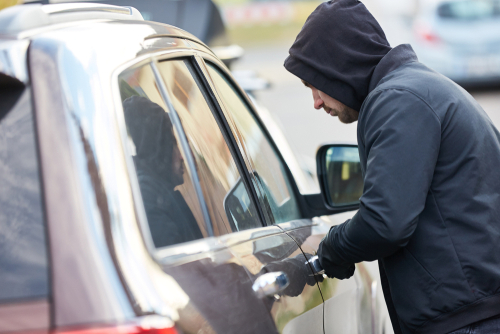
With relay theft becoming more widely reported, a lot of “quick fixes” have started circulating online. Unfortunately, not all of them are safe or effective.
“Just put your keys in the microwave”
This is not recommended.
While a microwave can block signals when it’s switched off, placing your key fob inside one risks damaging the electronics, even if it’s never turned on. Accidental activation, residual heat or internal components can permanently break the fob, leaving you with an expensive replacement bill and no added security. Microwaves are not designed to store electronic devices and using them this way is unsafe.
“Wrap the key in tin foil”
Wrapping your key fob in aluminium foil can block radio signals, which is why this advice often appears online. However, it’s very much a temporary DIY workaround, not a long-term solution.
Foil tears easily, doesn’t always create a complete seal and isn’t practical for everyday use. Purpose-built Faraday pouches are far more reliable, durable and designed specifically to block the full range of keyless entry signals.
When it comes to protecting your vehicle, it’s best to rely on proper security products rather than household hacks that may fail when you need them most.


Does insurance cover keyless theft?
In many cases, UK car insurance policies do cover theft caused by keyless relay attacks. However, whether a claim is accepted can depend on the specific terms of your policy and the circumstances of the theft.
Insurers may look at whether you took reasonable precautions to protect your vehicle. This can include how and where keys were stored, whether additional security measures were used and whether the car was left in a secure location.
Because relay theft leaves little or no physical damage, some insurers may ask for extra information to confirm how the theft occurred. Taking sensible steps, such as using a signal-blocking pouch, keeping keys away from entry points and adding visible deterrents, can help demonstrate responsible ownership if you ever need to make a claim.
If you’re unsure what your policy covers, it’s always worth checking directly with your insurer so there are no surprises if the worst does happen.
How CAT Autokeys helps keep your vehicle secure
Modern vehicle security is no longer just about locks and keys. It’s about understanding how electronic systems work and how criminals try to exploit them. That’s where our experience with modern keyless systems really matters.
With over 18 years in the trade, CAT Autokeys helps drivers across Nottingham and the wider Midlands reduce theft risk and regain control of their vehicle security. Our mobile automotive locksmiths can:
- Reprogramme existing keys, removing lost, stolen or unknown keys from your vehicle’s system
- Advise on secure key storage and practical theft-prevention measures tailored to your vehicle
- Help match you with trusted, compatible security products that genuinely improve protection
- Support owners of both newer keyless vehicles and older models with updated security needs
Because we work with modern diagnostic equipment and manufacturer-level software, we understand how today’s key systems behave in the real world, not just in theory. That means clear advice, no scare tactics and solutions that actually work.
Whether you’re responding to a security scare, buying a used vehicle or simply want peace of mind, CAT Autokeys is there to guide you through the options with minimum fuss and maximum clarity.
Keyless entry car theft FAQs
How can I stop a keyless entry car from being stolen?
You can’t remove the risk entirely, but you can significantly reduce it by using layered security. The most effective approach combines a signal-blocking Faraday pouch for your keys, visible physical deterrents such as a steering wheel lock, smart parking choices and reprogramming keys if any have been lost or stolen. Together, these measures make your vehicle far less attractive to thieves.
Is it worth getting a Faraday box or pouch for car keys?
Yes. A Faraday pouch or box is one of the simplest and most effective ways to prevent relay theft. It blocks the wireless signal emitted by your key fob, stopping thieves from capturing it. For most drivers, it’s a low-cost, low-effort security upgrade that offers genuine protection when used correctly.
What is the most effective car theft deterrent?
There isn’t a single “best” deterrent. Thieves are discouraged by time, visibility and difficulty, so combining multiple measures works best. Signal blocking, physical locks, alarms and secure parking all add layers that increase risk for criminals and reduce the likelihood of your car being targeted.
Which keyless cars are most stolen in the UK?
Vehicles with keyless entry are more commonly targeted for relay theft, particularly popular models that are easy to resell or strip for parts. Theft trends change over time, so rather than focusing on specific models, it’s better to assume any keyless vehicle could be at risk and take appropriate precautions.
Where should I keep my car keys at night?
Car keys should be kept well away from doors, windows and external walls, ideally in the centre of your home. Storing them inside a Faraday pouch or box overnight offers added protection by blocking the signal completely.
Why do some people wrap foil around doorknobs at night?
This advice circulates online as a way to detect or block signal interference, but it’s unreliable and not supported by police or security professionals. Wrapping foil around doorknobs does not provide meaningful protection against relay theft and shouldn’t be relied upon as a security measure.
Can you use aluminium foil as a Faraday cage?
Aluminium foil can block signals if wrapped correctly, but it’s a temporary and inconsistent solution. Foil tears easily, doesn’t always seal properly and isn’t practical for everyday use. Purpose-made Faraday pouches are far more reliable and designed specifically for key fobs.
What are the disadvantages of Faraday bags?
When used properly, Faraday bags have very few downsides. Poor-quality versions may wear out over time or fail to block all frequencies, which is why it’s important to choose a reputable product and test it regularly. Aside from needing to remove the key from the pouch before driving, they’re a straightforward and effective security tool.